
Virtual Reality / Medical
EMS CPR VR Simulation Training
EMS CPR VR Simulation Training by ASFAN gives learners focused, repeatable practice through immersive scenarios that support skill development, assessment, and safer preparation.
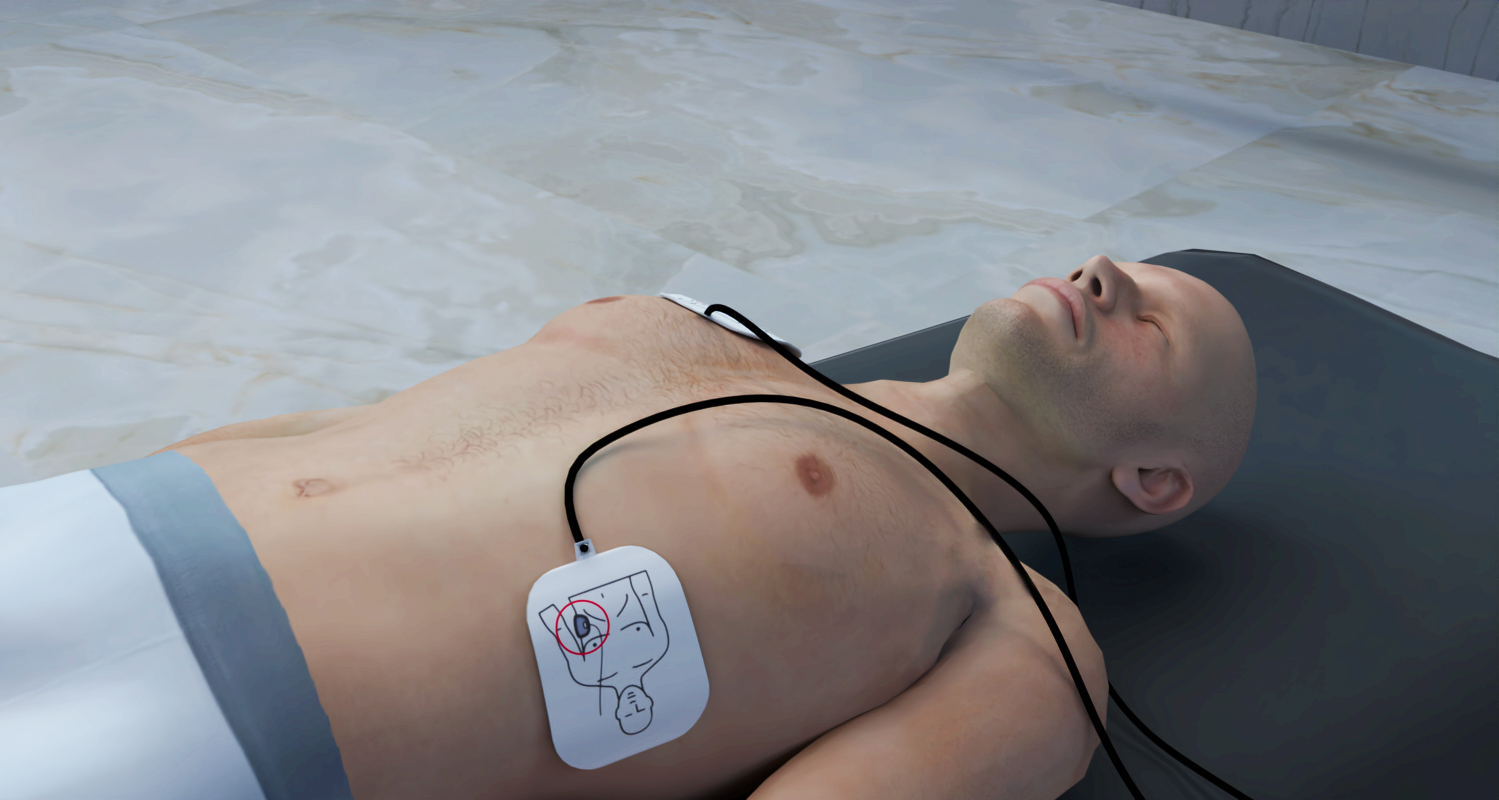
Realistic and Immersive Training
VR provides an opportunity for trainees to engage in lifelike scenarios, enhancing their ability to respond effectively during real emergencies. The immersive experience mimics the pressure of actual CPR situations, which is difficult to replicate in traditional training environments.
Hands-On Practice
Trainees can practice the correct techniques for chest compressions and rescue breaths while interacting with virtual scenarios, allowing them to refine their skills actively rather than passively observing.
Immediate Feedback
Many VR programs offer real-time feedback on performance, including depth and rate of compressions and timing of rescue breaths. This ensures that trainees can learn from their mistakes and make adjustments to improve their technique.
Training Module
Cardiopulmonary Resuscitation (CPR)
Simulation Workflow
The VR workflow guides learners through preparation, execution, and safe completion so they can perform with stronger consistency and confidence.
- Realistic and Immersive Training.
- Hands-On Practice.
- Immediate Feedback.
Project Video
This media section presents the original project walkthrough and supports instructor-led orientation, skills practice, and performance review.
Training Flow
As technology continues to advance, the future of VR in CPR training looks promising. Improvements in graphics, interactivity, and user feedback will create even more engaging experiences. The integration of artificial intelligence could also enable personalized training that adapts to the learner's pace and performance.
Learning Outcomes
Virtual Reality is transforming how we approach CPR training and , providing an engaging and effective means of teaching critical life-saving skills. By harnessing the power of VR, we can build a more prepared population ready to respond in emergencies. As we embrace this technology, the potential for enhancing public health and improving emergency response capabilities is tremendous.
Project Details
Cardiopulmonary Resuscitation (CPR) in VR
This page is structured for ems teams that need a clear and repeatable VR training scenario with practical outcomes.
What does this VR project cover?
Is the original video included?
Who is this training designed for?
Explore More Projects
Related Medical VR Modules
Explore more targeted VR modules to strengthen medical training pathways and internal navigation.
We welcome your questions, do not hesitate to contact us
- Create virtual reality and augmented reality experiences at the best prices
- Equipping engineering laboratories with the best equipment
- Virtual tours with 360° technology and also feature that you can see them through just one link
Client & Visitor Reviews
Share your experience, feedback, or opinion about this page content.
Write a Review
Latest Reviews