
In many industrial environments, the challenge is not only delivering training. It is delivering training that is safe, repeatable, and realistic without interrupting operations or exposing trainees to unnecessary risk. This is where virtual reality becomes a practical tool for industrial organizations and training centers that want to improve how people learn before entering the real workplace.
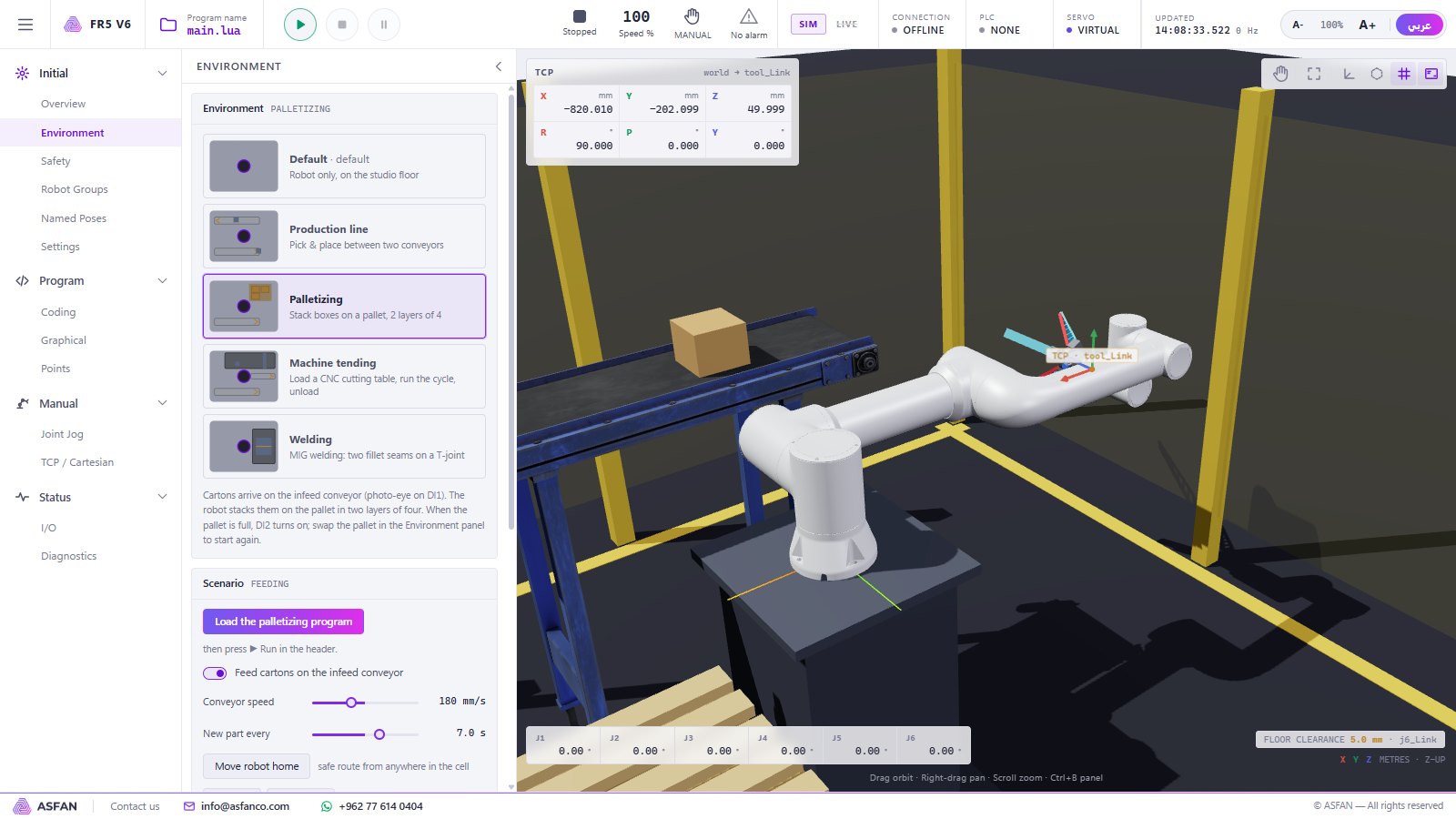
ASFAN develops custom VR solutions for industrial safety and training to help technicians, operators, and trainees understand procedures, recognize hazards, and practice critical situations before stepping into the live environment.
Instead of relying entirely on classroom explanation or limited field exposure, organizations can use immersive simulation to let trainees learn by doing, make decisions inside realistic scenarios, and build confidence in a controlled setting.
Why industrial sectors need a different training approach
Industrial environments often include conditions that make conventional training less effective in many cases, such as:
- Equipment and tools that are not always available for training use
- High operating costs or production disruption during practical training
- Real site hazards linked to people, machinery, or procedures
- The need to train large groups in a consistent way
- Difficulty repeating the same error, emergency, or work condition multiple times
Because of this, trainees may not always gain enough practical exposure before entering the actual workplace. With VR, the same scenario can be repeated many times, used across groups, and delivered in a more structured way.
What value does virtual reality bring to industrial safety training?
Virtual reality does more than make training look modern. It creates real operational and instructional value, including:
1. Training before entering the real site
Trainees can become familiar with the site, the risks, and the expected procedures before any direct contact with the actual environment.
2. Stronger hazard awareness
Instead of only reading warnings, trainees can see hazards, respond to them, and understand their consequences inside a simulated scenario.
3. Better understanding of procedures
When learners go through the correct steps in an interactive experience, their practical understanding becomes stronger than with theory alone.
4. Repeatable training without consuming physical resources
The same experience can be repeated many times without using materials, occupying equipment, or stopping operations.
5. More standardized training quality
Organizations can deliver the same scenario and training standards to multiple groups, improving consistency across learners.
Practical use cases
VR solutions for industrial safety and training can be built around applications such as:
- Workplace hazard identification training
- Safety procedures before operation
- Step-by-step task execution practice
- Simulation of common mistakes and their consequences
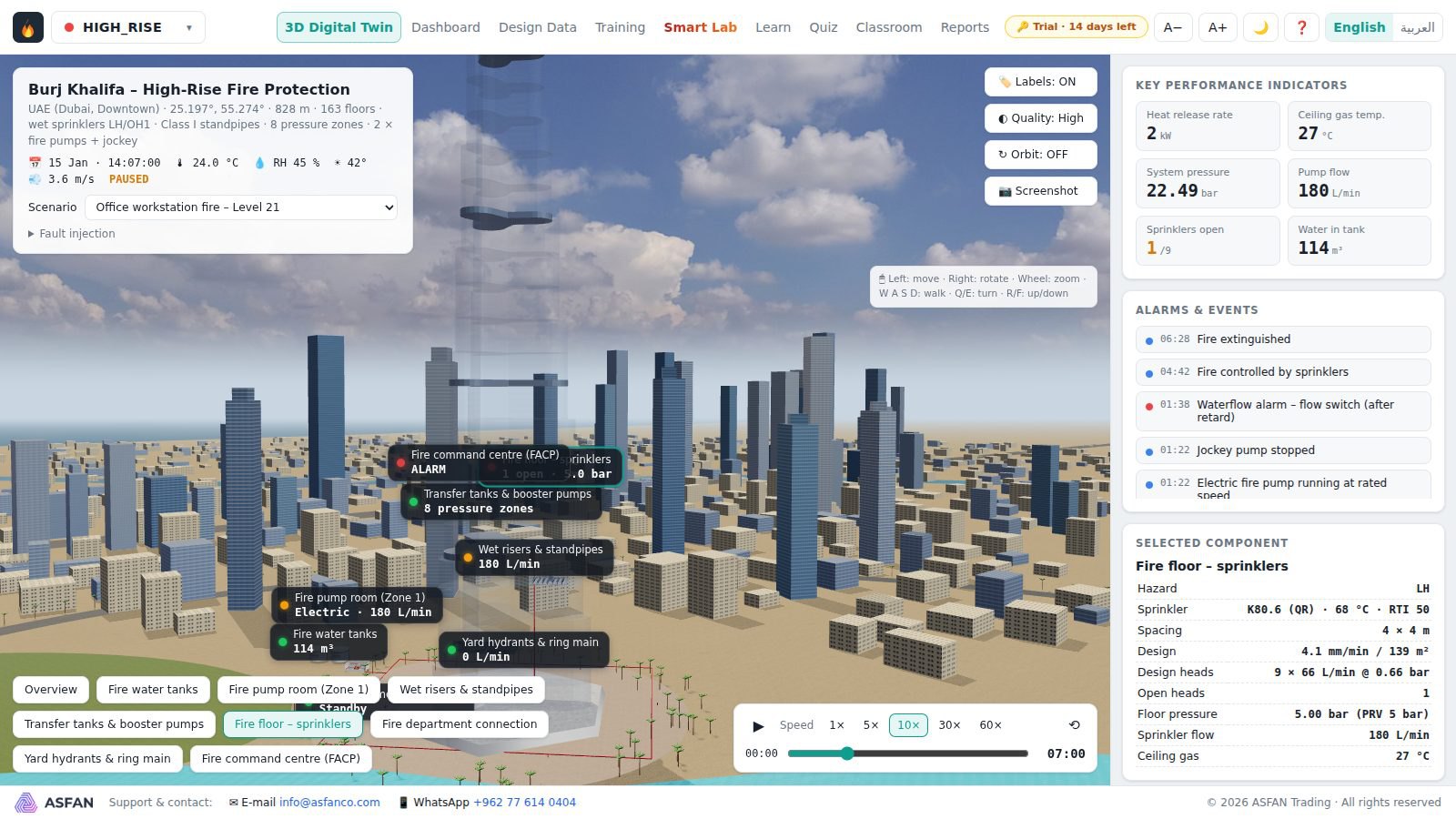
- Emergency response training
- Workshop, equipment, and heavy machinery familiarization
- Pre-job readiness and onboarding preparation
- Support for occupational safety programs in institutes and training centers
This type of content is especially useful in sectors where precision, hazard awareness, and repeatable practice are critical.
When is VR a strong fit for an organization?
VR is a strong option when:
- Real-world training is expensive
- The work environment is hazardous or sensitive
- The organization needs stronger readiness before practical deployment
- Learner ability varies and a standardized training baseline is needed
- The institution wants to modernize and strengthen its training programs
In other words, the higher the cost of mistakes and the harder it is to repeat training in real life, the more valuable VR becomes.
How management benefits from these solutions
From a leadership perspective, this is not only about attractive technology. It is about measurable training value that can support the organization through:
- Better workforce readiness before live work begins
- Stronger internal safety culture
- Reduced dependence on direct field-only training
- More professional and advanced training experiences
- Training assets that can be expanded and improved over time
These solutions can also strengthen the organization's image with trainees, partners, and stakeholders when safety and capability development are central to the brand.
How ASFAN develops industrial safety VR solutions
ASFAN typically develops these projects through a practical process that includes:
- Understanding the work environment or training program
- Defining key risks, procedures, and scenarios
- Designing the training flow and user interaction
- Developing the virtual environment and content
- Testing and refinement
- Delivery, onboarding, and operational support
This helps ensure the final solution is tied to a real training need rather than being only a demonstration piece.
Why ASFAN?
ASFAN stands out in this space through:
- Tailored content development based on sector and need
- Arabic and English language support
- Flexible deployment on VR headsets or desktop systems depending on the project
- Experience in interactive learning, simulation, and training content
- The ability to serve educational, institutional, and vocational training needs
This makes ASFAN a strong development partner for organizations looking for both technical capability and training-oriented thinking.
Frequently Asked Questions
Is VR only useful for large factories?
No. It can also be valuable for training centers, institutes, workshops, and vocational programs that require practical or safety-focused learning.
Do organizations need VR headsets to use these solutions?
Not always. Some projects can also run on desktop computers or interactive displays depending on scope.
Can ASFAN build content around a specific organization's procedures?
Yes. ASFAN can develop customized content based on the workplace, procedures, and required skills.
Can the content be developed in Arabic?
Yes. ASFAN supports both Arabic and English content development.
Conclusion
Virtual reality for industrial safety and training has become more than a modern technology trend. It is a practical training tool that helps organizations deliver safer, more structured, and more realistic learning experiences. When designed correctly, it can improve training quality, strengthen hazard awareness, and support more professional workforce development.
If your organization is looking for a better way to prepare technicians, operators, or trainees for industrial environments, ASFAN can help design a custom VR solution aligned with your operational and training goals.
Request a proposal for industrial safety VR solutions
Contact ASFAN to request a technical and financial proposal for industrial safety VR solutions.
Contact ASFAN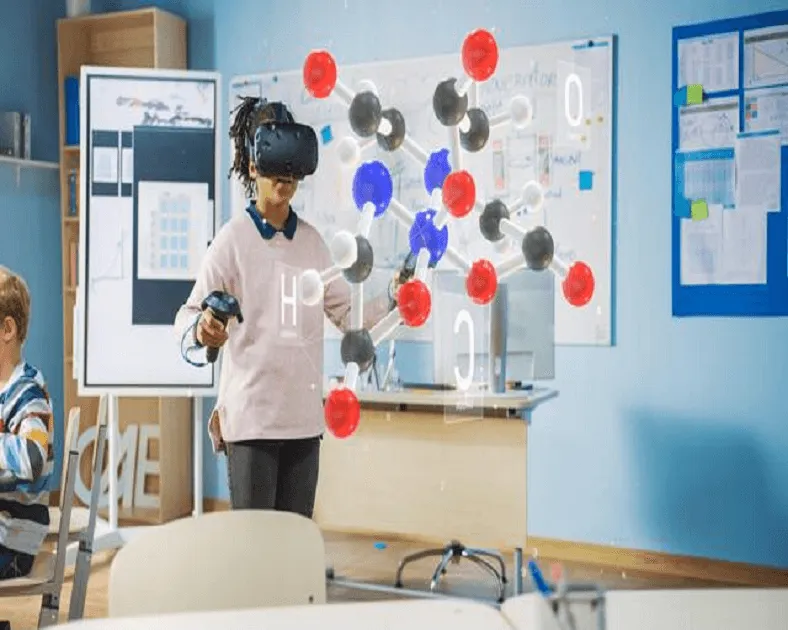
Client & Visitor Reviews
Share your experience, feedback, or opinion about this page content.
Write a Review
Latest Reviews