Engineering / Infrastructure / Labs
Injection Moulding Lab
Injection-moulding machine practice combined with CAD mould design, so learners understand both how plastic parts are made and how the moulds behind them are engineered.

Overview
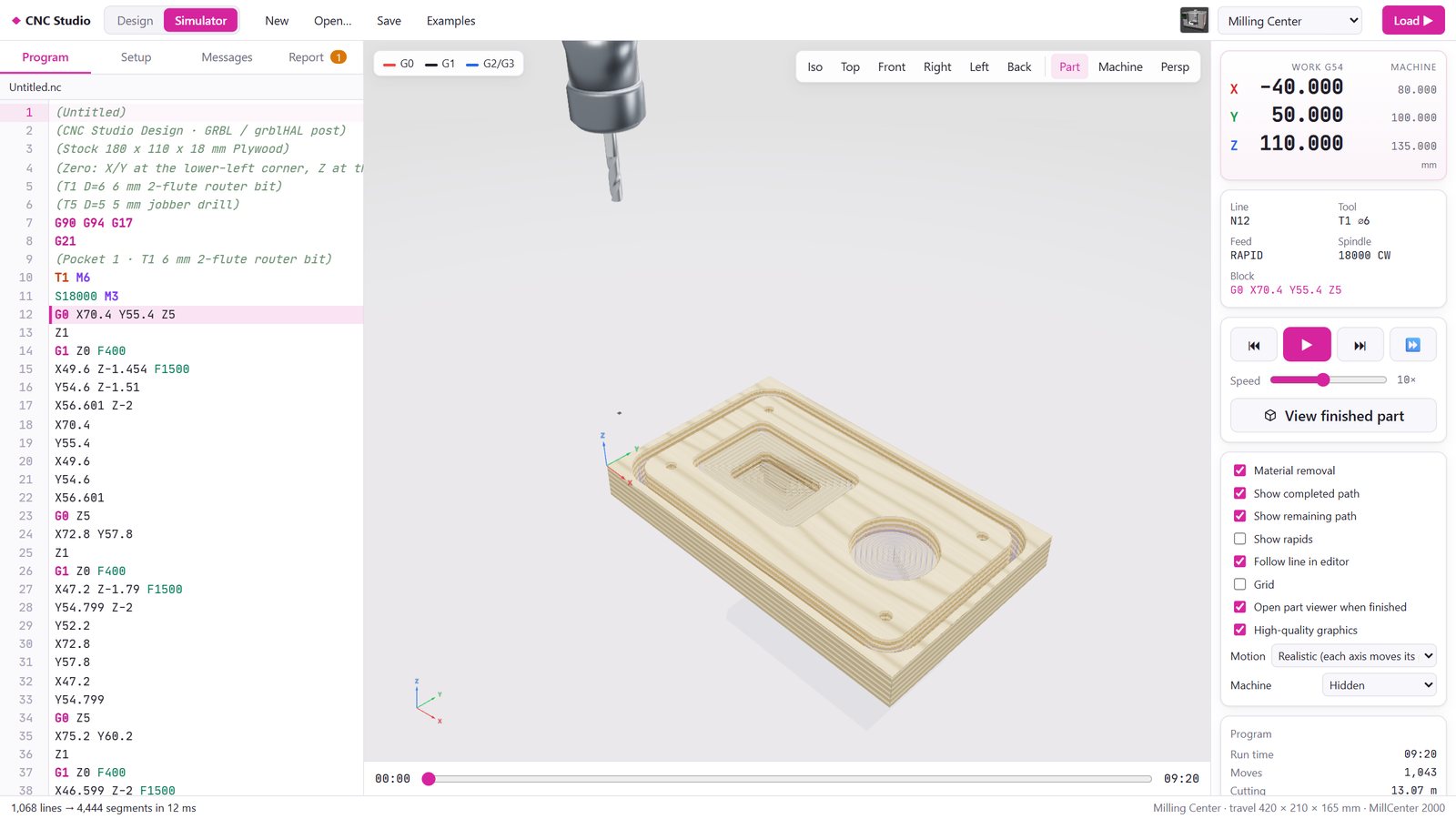
The Injection Moulding and Mould Design Lab covers polymer processing from both sides. On the machine, learners set up, run and optimise the injection-moulding process and study the construction of its main units. At the workstation, they design and analyse moulds with parametric CAD software.
Linking process settings with mould geometry helps students understand defects, cycle time and part quality – the practical concerns of every plastics manufacturer. ASFAN designs, supplies, installs and commissions the complete Injection Moulding Lab, with operating manuals, experiment sheets and instructor training.
Key Equipment
- Injection moulding machine – for set-up, parameter selection and safe operation practice
- CAD workstations – high-performance PCs for mould modelling and simulation
- Cloud CAD (e.g. Onshape) and Fusion 360 – parametric mould design and analysis
- Printer and projector – for drawings, design reviews and demonstrations
Learning Objectives
By the end of the training, learners will be able to:
- Explain the working principle and stages of the injection-moulding process.
- Identify the main units of an injection-moulding machine and their functions.
- Set suitable process parameters for efficient moulding.
- Operate an injection-moulding machine safely and correctly.
Career Relevance
The lab prepares learners for roles in plastics processing, mould design and production engineering.
Related Labs


Related engineering and technology solutions
Engineering lab equipment, technology equipment, and training solutions for institutions.
Digital fabrication, CNC, robotics, 3D scanning, and prototyping equipment.
University labs, smart engineering labs, workshops, and research facilities.
Concrete 3D printer systems for labs, research, and construction technology.
Precision 3D printing for research labs, prototyping, and engineering education.
Spatial vision cameras for robotics, 3D scanning, automation, and AI labs.