
VR Training is becoming one of the most important directions in modern learning and workforce development because organizations no longer want theory alone. They want practical, immersive, repeatable, and safer training experiences that allow learners to practice, respond, and build confidence inside realistic digital environments.
At ASFAN, we develop virtual reality training solutions across multiple sectors including civil engineering, electrical and solar energy, renewable energy, HVAC, construction, car maintenance, welding, aircraft structures and engines, spray painting, housekeeping, safety, and agriculture. This makes vr training not just a generic technology term, but a real training category with direct applications across technical, engineering, industrial, and service sectors.
If your organization is looking for a better way to improve engagement, reduce risk, and deliver more practical training outcomes, VR training provides a strong and scalable solution.
What does VR Training mean?
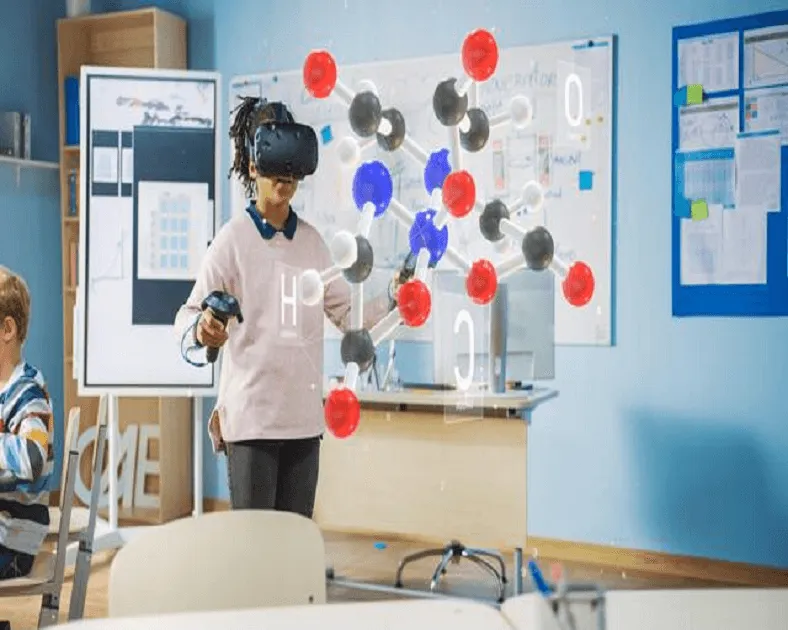
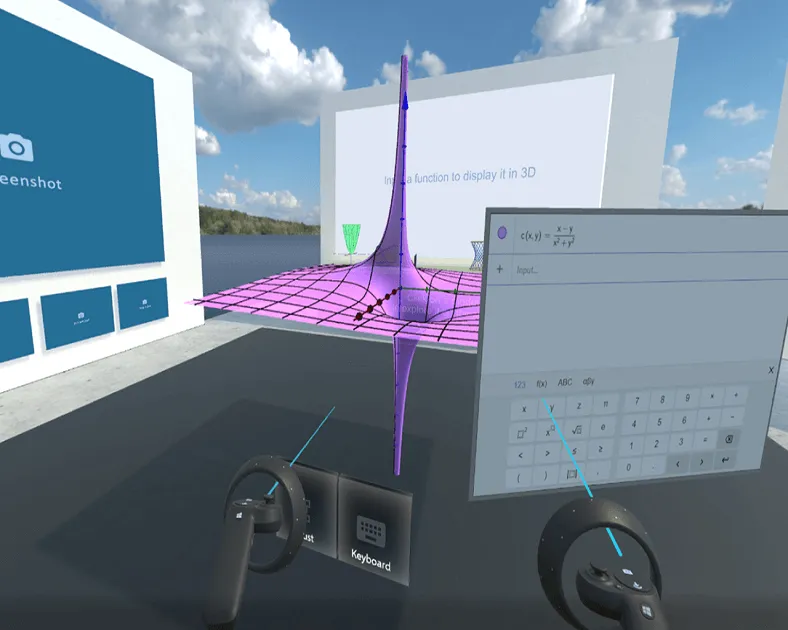
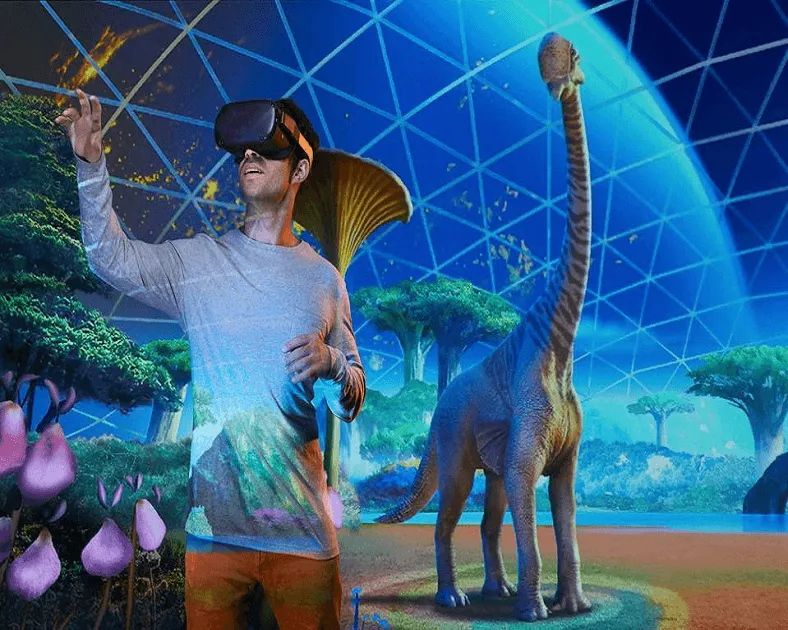
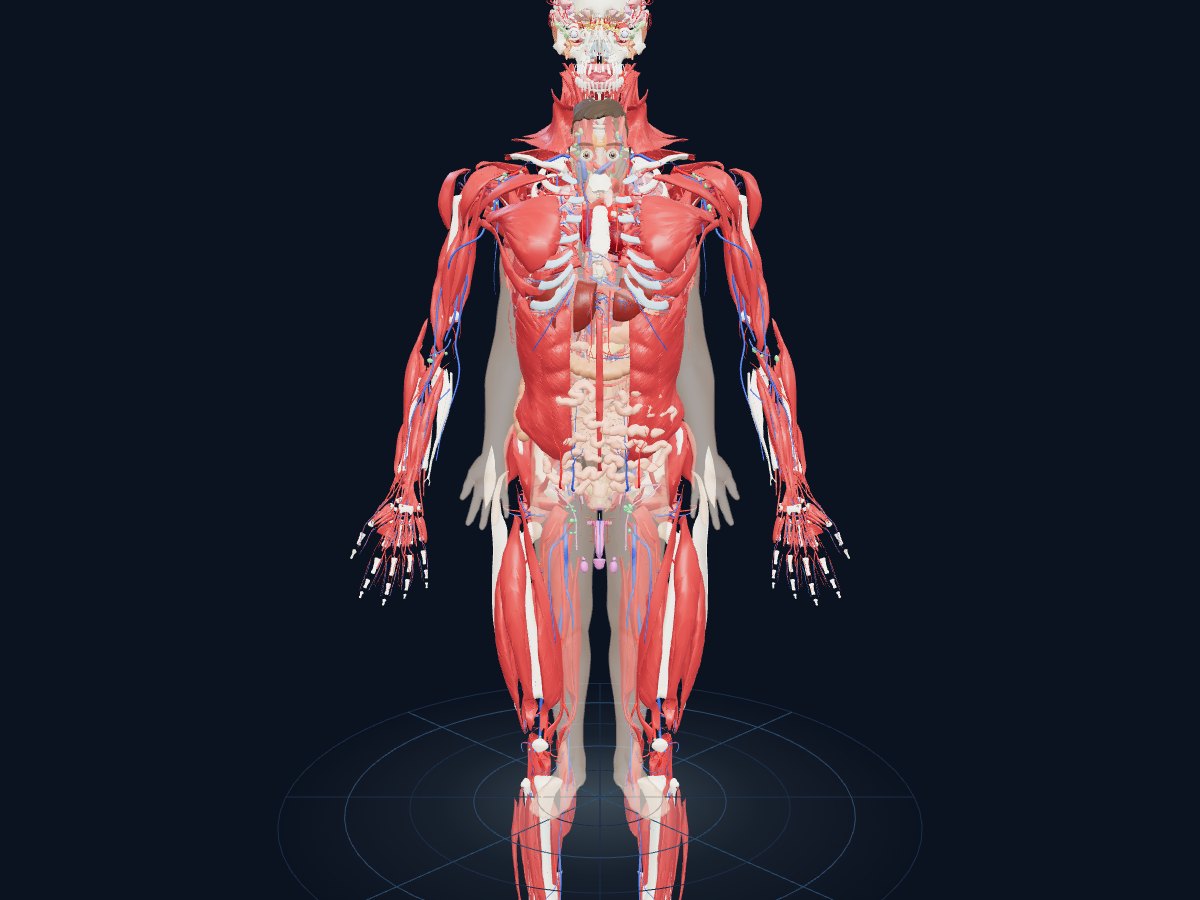
VR Training refers to using virtual reality to deliver interactive learning experiences where trainees can practice within simulated environments instead of only reading or watching. Rather than passively consuming information, the learner becomes part of the experience and interacts with procedures, equipment, spaces, and tasks in a way that supports stronger understanding and repeatable skill development.
This can include:
- vocational training
- engineering training
- safety training
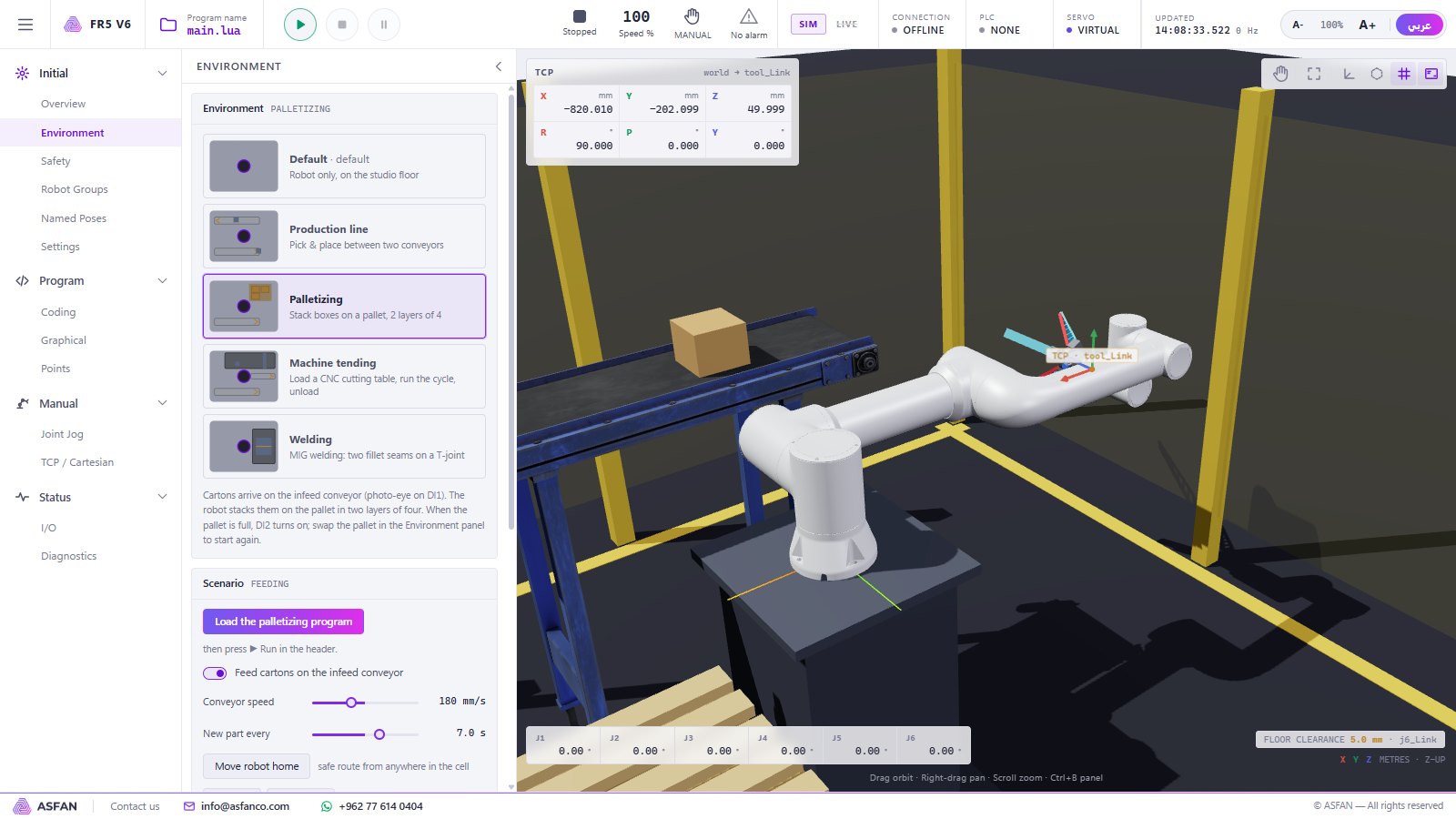
- equipment and process simulation
- industrial learning
- aviation and technical maintenance training
- agricultural training
- hospitality and service training
Why is VR Training important today?
Organizations increasingly need training that can:
- improve engagement and concentration
- strengthen practical understanding
- prepare learners before real-world deployment
- reduce training risk in hazardous environments
- allow repetition without heavy operational cost
- modernize institutional learning delivery
This is why VR Training is becoming highly relevant across vocational, industrial, engineering, service, and technical education sectors.
What makes VR Training effective?
1. Safe training environments
Trainees can learn, make mistakes, and repeat procedures without real-world danger.
2. Practical interaction
Users do not just watch. They perform steps and interact with the workflow.
3. Repeatability
The same scenario can be repeated multiple times for stronger retention and confidence.
4. Better visual understanding
Immersive content often explains technical concepts and procedures more clearly.
5. Flexible customization
Training can be designed based on sector, skill level, process, and audience type.
How ASFAN develops VR Training solutions
At ASFAN, VR training projects usually follow a structured process:
- Understanding the training objective and targeted skills
- Defining scenarios and workflow logic
- Designing the interaction and user experience
- Developing the virtual environment and training content
- Testing and refinement
- Delivery, deployment, and support
This helps ensure the project serves a real training outcome rather than acting only as a visual demo.
ASFAN VR Training project areas
One of ASFAN's strengths is that VR training is not limited to one niche. It spans multiple sectors, and each project page supports a focused keyword direction:
- VR Civil Engineering: For civil engineering equipment and technical training. VR Civil Engineering
- VR Advanced Installation: For advanced electrical and solar installation training. VR Advanced Installation
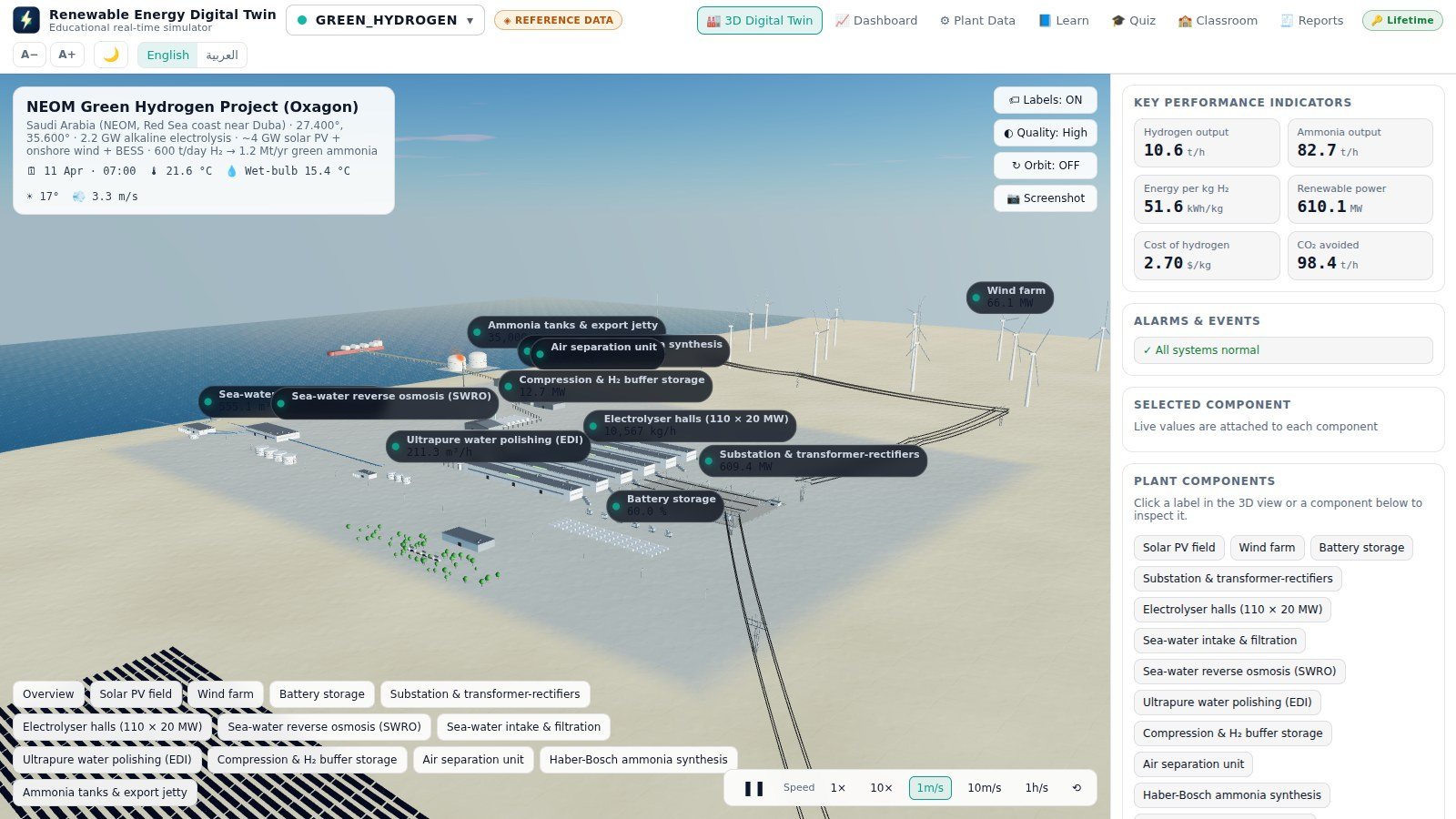
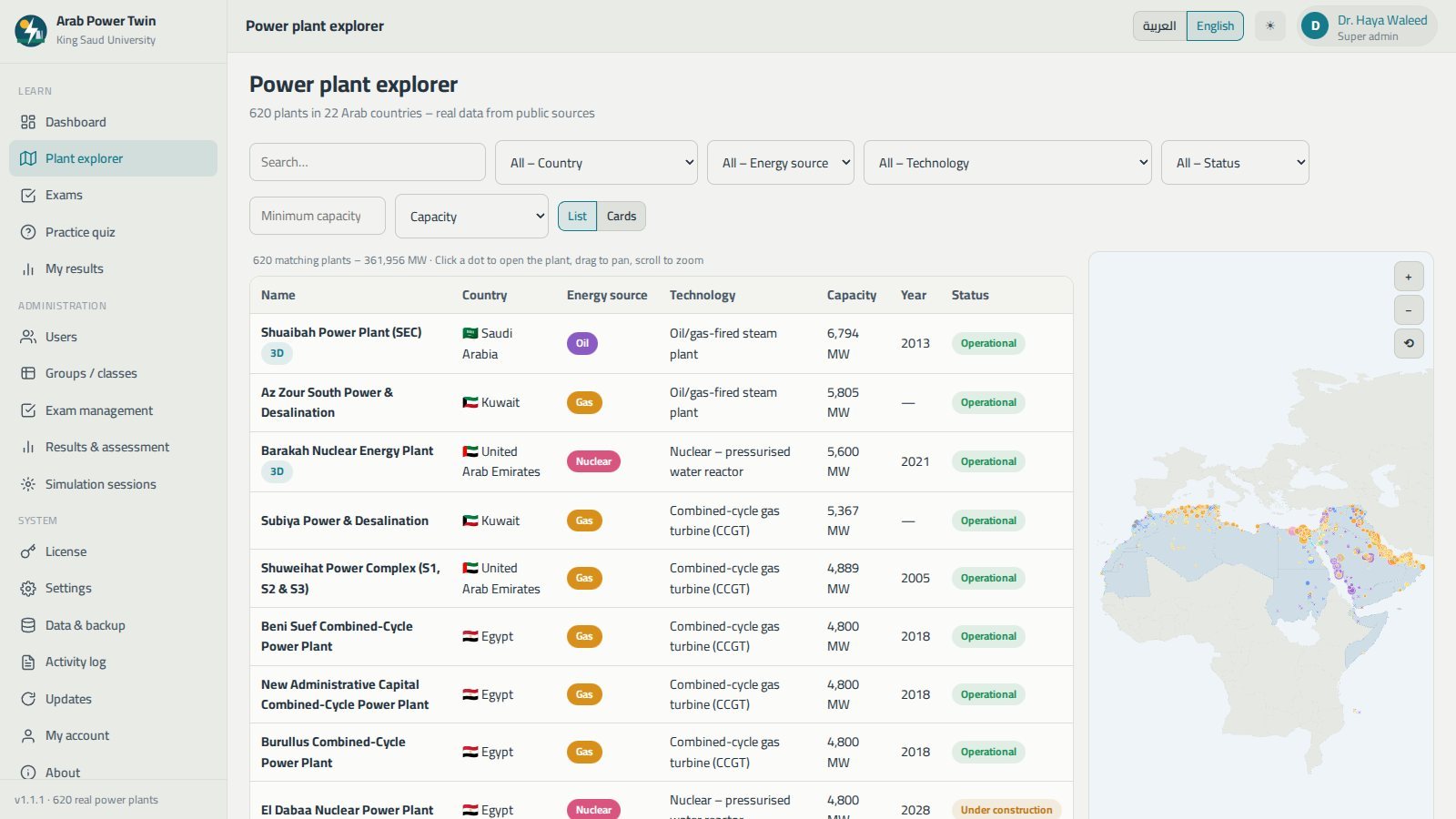
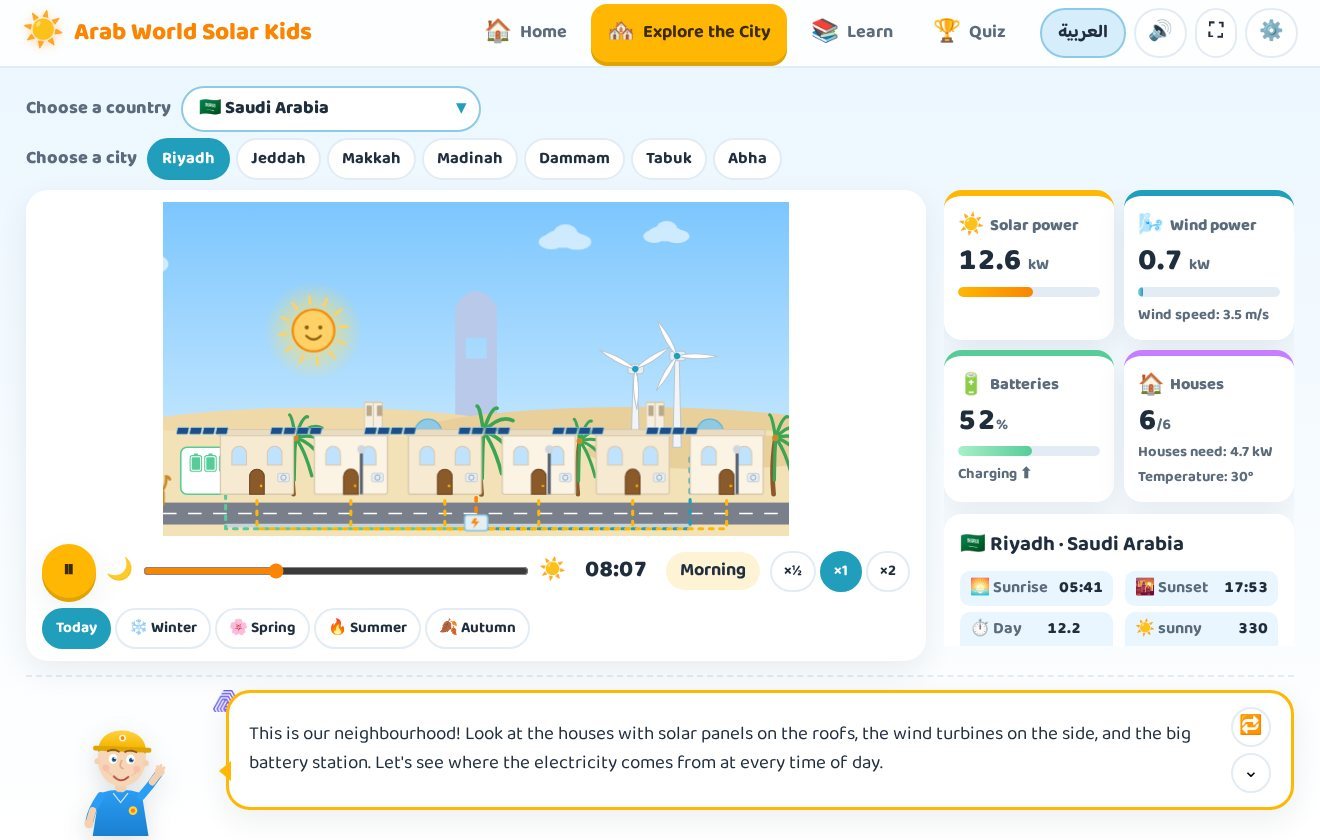
- VR Renewable Energy: For immersive training related to renewable energy systems. VR Renewable Energy
- VR HVAC Training: For HVAC ductwork fabrication, installation, and technical procedures. VR HVAC Training
- Construction VR Training: For vocational and practical training in construction-related work. Construction VR Training
- VR Car Maintenance Training: For automotive maintenance training and interactive procedures. VR Car Maintenance Training
- Welding VR Training: For welding practice, simulation, and safety-oriented training. Welding VR Training
- VR Aircraft Structures and Engines: For aviation-related structures, maintenance, and engines training. VR Aircraft Structures and Engines
- VR Spray Painting Training: For spray painting skills and safe technical execution. VR Spray Painting Training
- VR Housekeeping Training: For immersive hospitality and housekeeping training experiences. VR Housekeeping Training
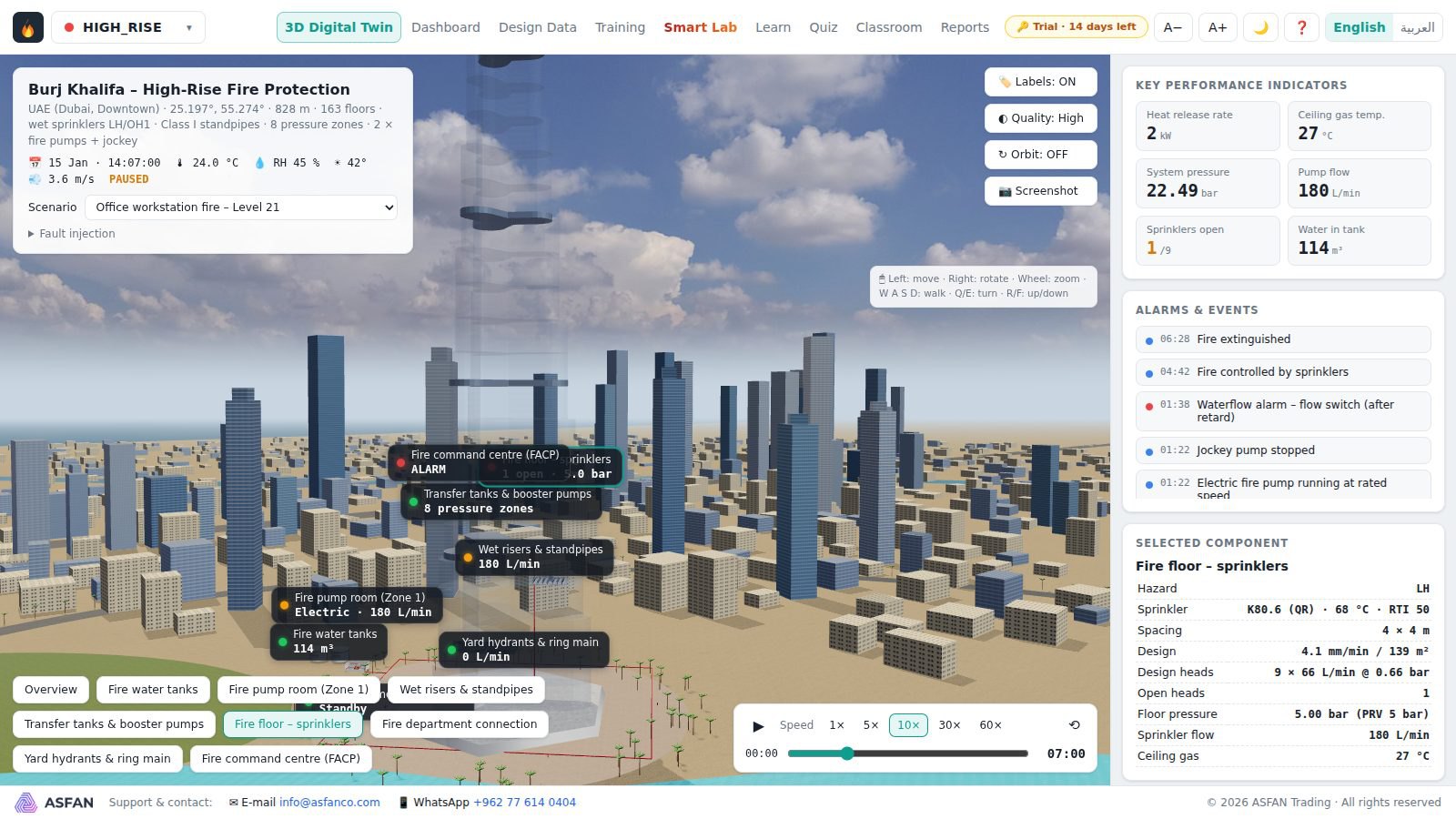
- VR Safety Training: For workplace safety, precaution, and procedural awareness. VR Safety Training
- VR Agriculture Training: For agricultural and production-related immersive learning. VR Agriculture Training
Why choose ASFAN for VR Training?
1. Broad sector coverage
ASFAN does not limit VR training to one industry. It serves multiple real training use cases.
2. Custom content based on real objectives
Projects can be built around the actual skill, process, or training scenario required.
3. Arabic and English capability
ASFAN can support bilingual delivery for broader institutional use.
4. Focus on real training outcomes
The objective is not only immersion, but actual learning and readiness.
Who needs VR Training?
- universities and colleges
- training centers
- industrial organizations
- government institutions
- technical and vocational sectors
- teams that need safer, repeatable, and practical learning
- institutions modernizing their workforce training
When is VR Training better than traditional training alone?
VR Training becomes especially valuable when:
- the real environment is risky or expensive
- repetition is essential
- learners need readiness before field deployment
- the skill is practical rather than theoretical
- the institution wants more modern, engaging delivery
Frequently Asked Questions
What does VR Training mean?
It means using virtual reality to create interactive training experiences where learners can practice inside simulated environments.
Is VR Training suitable for vocational sectors?
Yes. It is highly suitable for vocational, technical, engineering, industrial, and service-related training.
Does ASFAN already have projects in this area?
Yes. ASFAN has project pages across engineering, energy, HVAC, construction, automotive, welding, aviation, spray painting, housekeeping, safety, and agriculture.
Can ASFAN build a custom VR training project?
Yes. ASFAN develops VR training solutions based on the sector, target users, and training objective.
Conclusion
VR Training is no longer just a trend. It is becoming a practical way to transform training from passive content into interactive, repeatable, and safer learning experiences. With the range of project areas already present across ASFAN's ecosystem, this page can become a strong central entry point for both users and search engines when linked properly to deeper project pages.
If your organization is looking for a partner that can deliver VR training across multiple sectors, ASFAN offers a strong foundation through a diverse and scalable project portfolio.
Client & Visitor Reviews
Share your experience, feedback, or opinion about this page content.
Write a Review
Latest Reviews