
Metal 3D Printer SLM
Technology Equipments / FabLab / 3D Printers / Metal Powder Bed Fusion
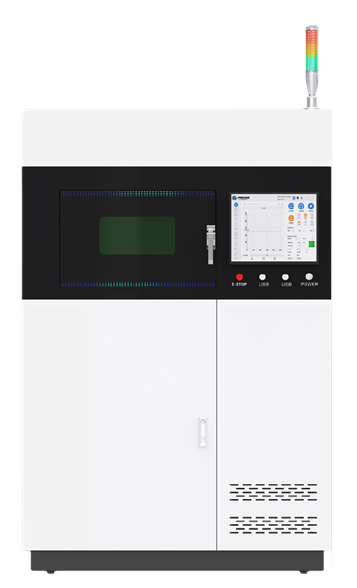
Selective Laser Melting for Industrial Metal Additive Manufacturing
A Metal 3D Printer SLM uses a high-powered laser to fully melt fine metal powder layer by layer, producing dense metal parts for demanding engineering, research, and industrial prototyping workflows.
Also known as Laser Powder Bed Fusion, SLM is used when teams need complex metal geometry, high-strength components, and alloy-based manufacturing that would be difficult or inefficient with conventional machining or casting.
- Powder bed fusion with a controlled inert gas chamber for oxidation-sensitive metal processing.
- Layer-by-layer laser melting for dense parts, internal channels, and complex forms.
- Industrial alloy compatibility including stainless steel, titanium, aluminum, nickel superalloys, and cobalt-chrome.
- Complete lab workflow covering powder handling, sieving, cleaning, finishing, heat treatment, and inert gas supply.
What Is a Metal 3D Printer SLM?
It is an industrial metal additive manufacturing printer that converts fine metal powder into solid parts by fully melting selected areas with a laser. SLM is suited for high-value components, complex geometries, lightweight structures, and engineering prototypes where metal performance matters.
Selective Laser Melting Technology
The process runs inside a sealed chamber filled with inert gas such as argon or nitrogen. A recoater blade spreads a thin metal powder layer, then a fiber laser scans the model cross-section and fuses the powder into solid metal.
How the SLM Process Works
1. Inert chamber
The build takes place in a sealed chamber flooded with inert gas to limit oxidation during melting.
2. Powder spreading
A recoater blade or squeegee spreads a thin layer of metal powder across the build platform.
3. Laser melting
A high-powered laser scans the 2D cross-section and fully melts selected powder into metal.
4. Post-processing
The part is recovered from loose powder, separated from the build plate, and finished as required.
Common SLM Materials
SLM systems can process a range of industrial metal alloys when matched with the correct machine, powder, atmosphere, and post-processing workflow.
- Stainless steel for robust engineering parts and functional prototypes.
- Titanium for aerospace and medical applications where suitable procedures are used.
- Aluminum for lightweight metal components and industrial prototyping.
- Nickel superalloys for high-temperature environments.
- Cobalt-chrome for dental and specialized engineering uses.
Why Choose an SLM Metal 3D Printer?
SLM enables metal powder bed fusion for dense parts, high-performance alloy printing, complex geometry manufacturing, lightweight internal structures, industrial prototyping, and research workflows that require real metal components rather than polymer models.
Applications of Metal 3D Printing
Metal 3D Printer SLM solutions are used in engineering education, research labs, industrial prototyping, aerospace component development, dental and medical workflows where appropriate, tooling, and complex geometry manufacturing.
Laboratory Set-up Requirements
A safe SLM laboratory is more than the printer. Metal powder handling requires controlled preparation, recycling, cleaning, surface finishing, metallurgical post-processing, and a reliable inert gas supply.
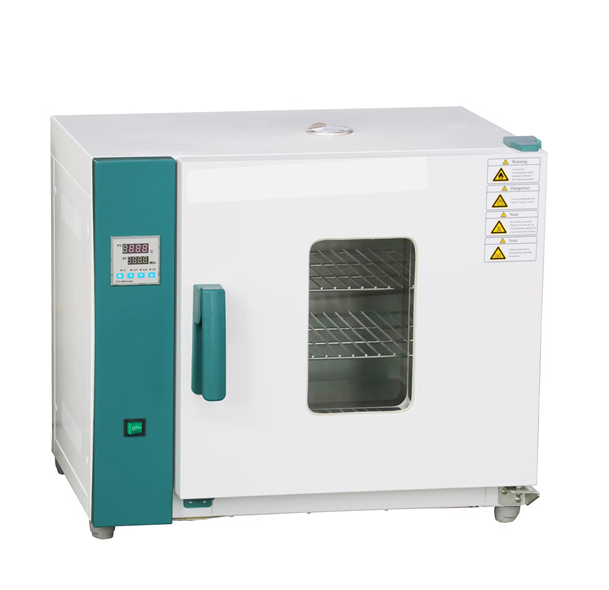
Drying Oven
Metal powders can absorb moisture from the surrounding air. A drying oven prepares powder under controlled conditions before printing, helping reduce clumping, porosity risk, and poor layer spreading.
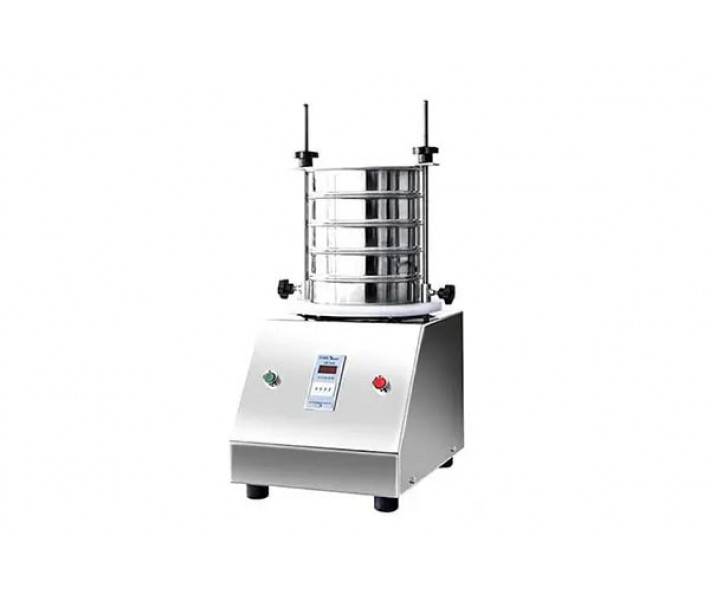
Powder Sieving Machine
A sieve shaker supports powder recycling after a build. It removes oversized particles, spatter, and debris so only suitable powder returns to the next SLM job.
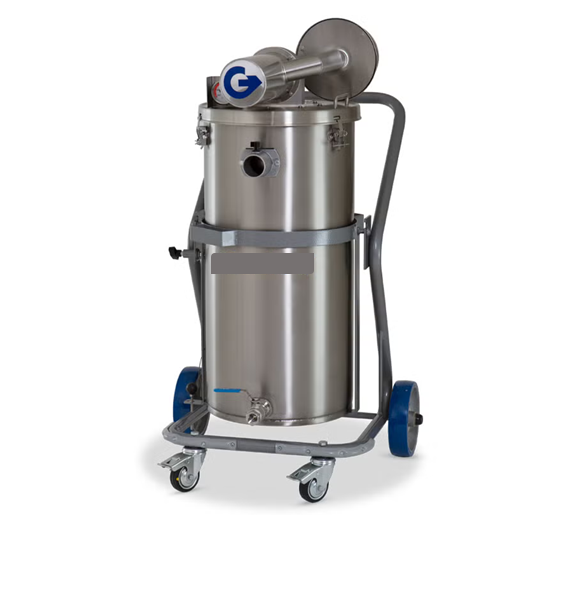
Pneumatic Explosion-Proof Vacuum Cleaner
Fine metal powder can be hazardous when airborne. A pneumatic explosion-proof vacuum is used for safer powder cleanup because it avoids electric sparks inside the collection path.
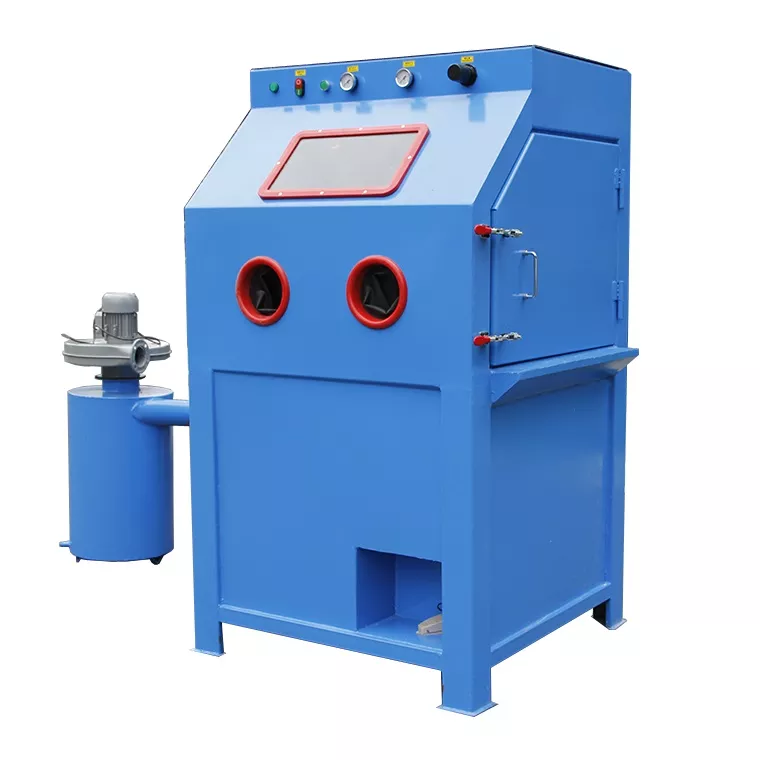
Sandblasting Machine
Raw SLM parts often carry partially fused powder and rough surface texture. Sandblasting or bead blasting cleans the exterior and gives parts a more uniform industrial finish.
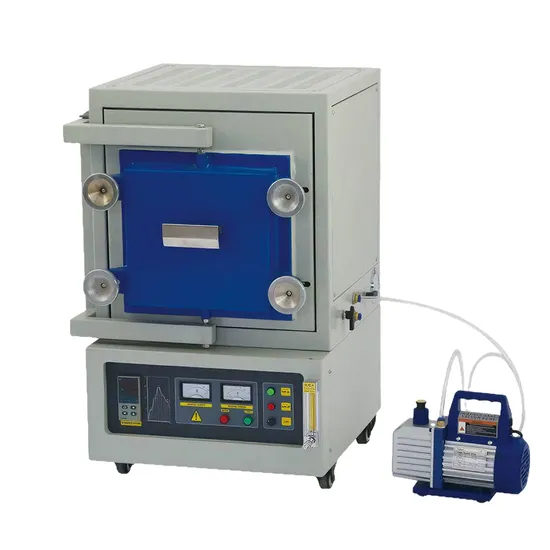
Vacuum Atmosphere Sintering Furnace
SLM parts can retain thermal stress after rapid laser heating and cooling. A vacuum atmosphere furnace supports heat treatment and stress relief while limiting oxidation.
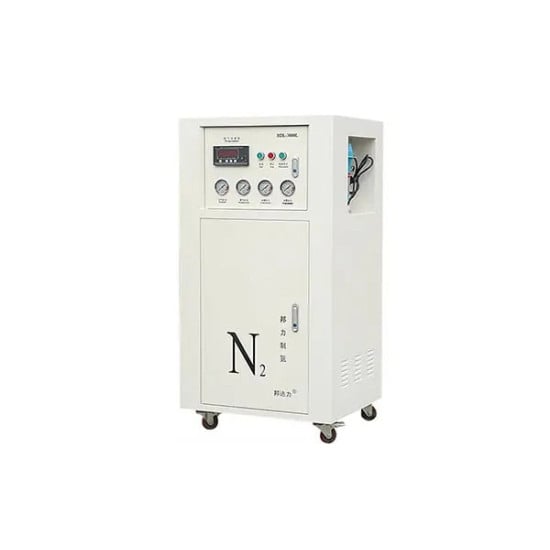
Nitrogen Generator
A nitrogen generator supplies inert gas for oxygen displacement in the print chamber. This helps maintain a stable atmosphere and reduces dependency on rented gas cylinders.
Why ASFAN for Metal 3D Printing Solutions
ASFAN helps institutions plan metal additive manufacturing labs with the printer, supporting equipment, safety-aware workflow, operator training, and links to the broader FabLab ecosystem, including 3D scanners, CNC machines, polymer printers, robotics, and engineering labs.
FAQ
Related engineering and technology solutions
Browse ASFAN industrial 3D printer solutions for FabLabs and engineering labs.
High-resolution resin printing for precision prototyping.
SLA solutions for smooth-surface prototypes.
Scan parts for reverse engineering and inspection workflows.
Digital manufacturing equipment for FabLab environments.
Integrated laboratory solutions for universities and institutions.
We welcome your questions, do not hesitate to contact us
- Create virtual reality and augmented reality experiences at the best prices
- Equipping engineering laboratories with the best equipment
- Virtual tours with 360° technology and also feature that you can see them through just one link
- Create virtual reality and augmented reality experiences at the best prices
- Equipping engineering laboratories with the best equipment
-
Virtual tours with 360° technology and also feature that you can see
them through just one link