
What is virtual reality? In short: virtual reality (VR) is a fully computer-generated 3D environment, experienced through a headset, that replaces your view of the real world and responds to your movements in real time. But VR is often confused with related terms - augmented reality, Extended Reality (XR), and the metaverse - and understanding the VR vs AR difference matters before you invest in a project. This guide explains the basics, the real uses of virtual reality and benefits of virtual reality, and where the future of virtual reality is heading.
If you already know the basics and want to see VR in action, explore ASFAN's VR Simulation Training catalog or our Virtual Reality overview.
What is virtual reality?
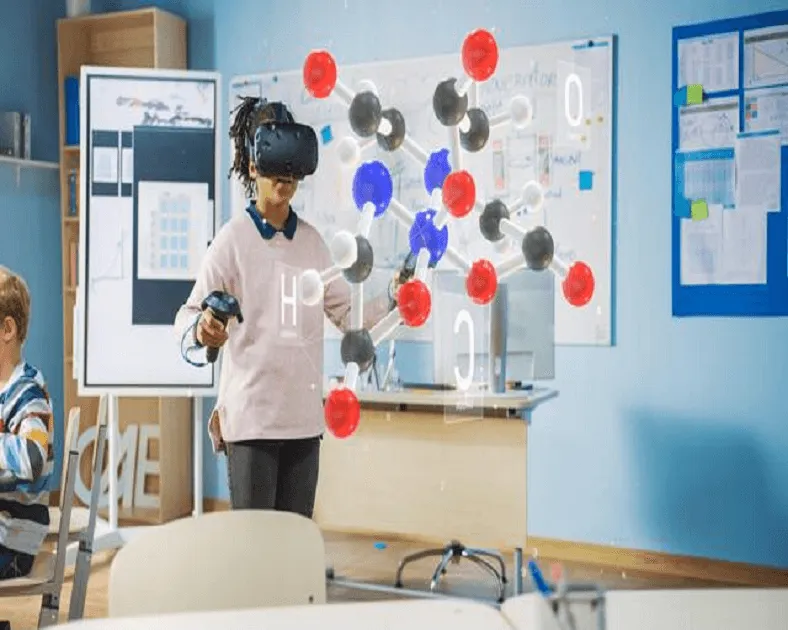
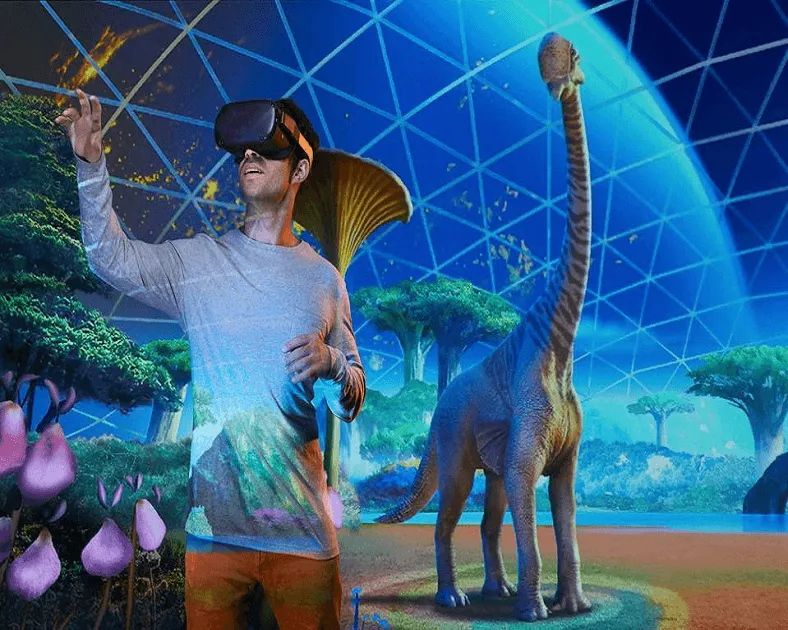
Virtual reality is a simulated, three-dimensional environment that a person experiences through a VR headset. Unlike a video or a photo, VR responds to your head and hand movement in real time: turn your head and the scene turns with you; reach out and you can interact with objects. The goal of virtual reality is presence - the feeling that you are actually inside the environment, not just looking at it on a screen.
Virtual reality is typically built from three core ingredients:
- A 3D environment or scene, built to match a real place, object, or scenario
- A headset that tracks head and hand movement and displays the scene in stereo 3D
- Interaction - the ability to move, look around, and manipulate objects inside the scene
VR vs AR: what is the difference?
The VR vs AR difference comes down to how much of the real world you can still see:
- Virtual Reality (VR) fully replaces your surroundings with a digital environment - you cannot see the real room around you while wearing the headset
- Augmented Reality (AR) overlays digital content on top of the real world that you can still see, usually through a phone camera or a transparent display
- Mixed Reality (MR) sits in between: digital objects appear anchored to and interacting with your real surroundings, viewed through pass-through cameras on a headset
For a deeper look at augmented reality specifically, see ASFAN's Augmented Reality solutions and our Virtual Reality and Augmented Reality comparison article.
What is Extended Reality (XR)?
Extended Reality (XR) is the umbrella term that covers the entire spectrum from the real world to fully virtual environments - it includes VR, AR, and MR under one label. When people say "XR technology" or "XR solutions," they mean a project or platform that spans one or more of these immersive technologies rather than a single fixed category. ASFAN's own Mixed Reality / XR Solutions combine elements of VR and AR depending on the use case, from historical reconstructions to interactive product visualization.
Uses of virtual reality
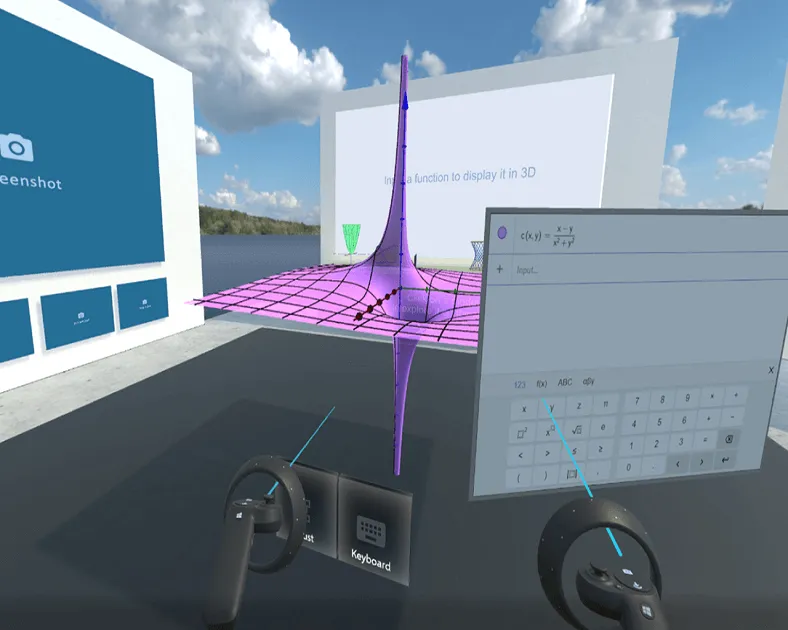
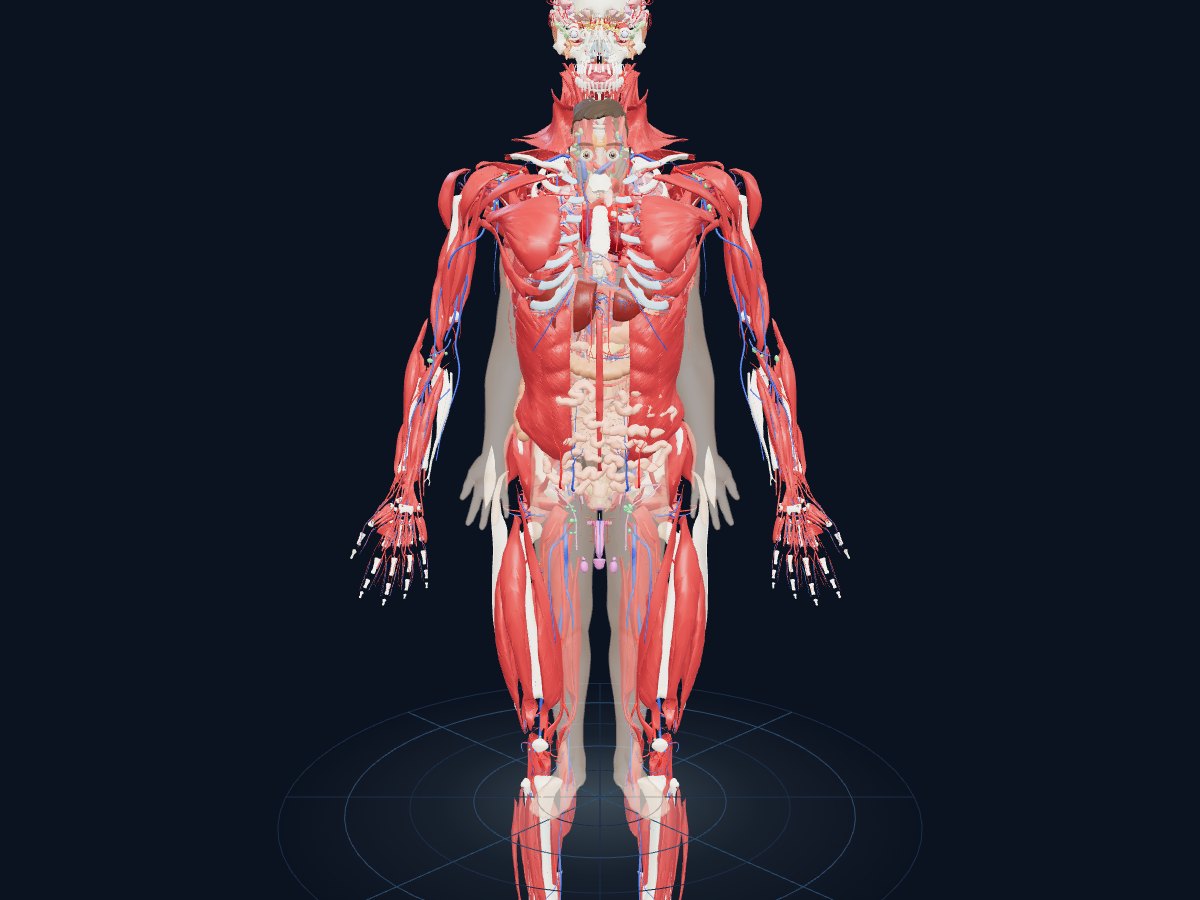
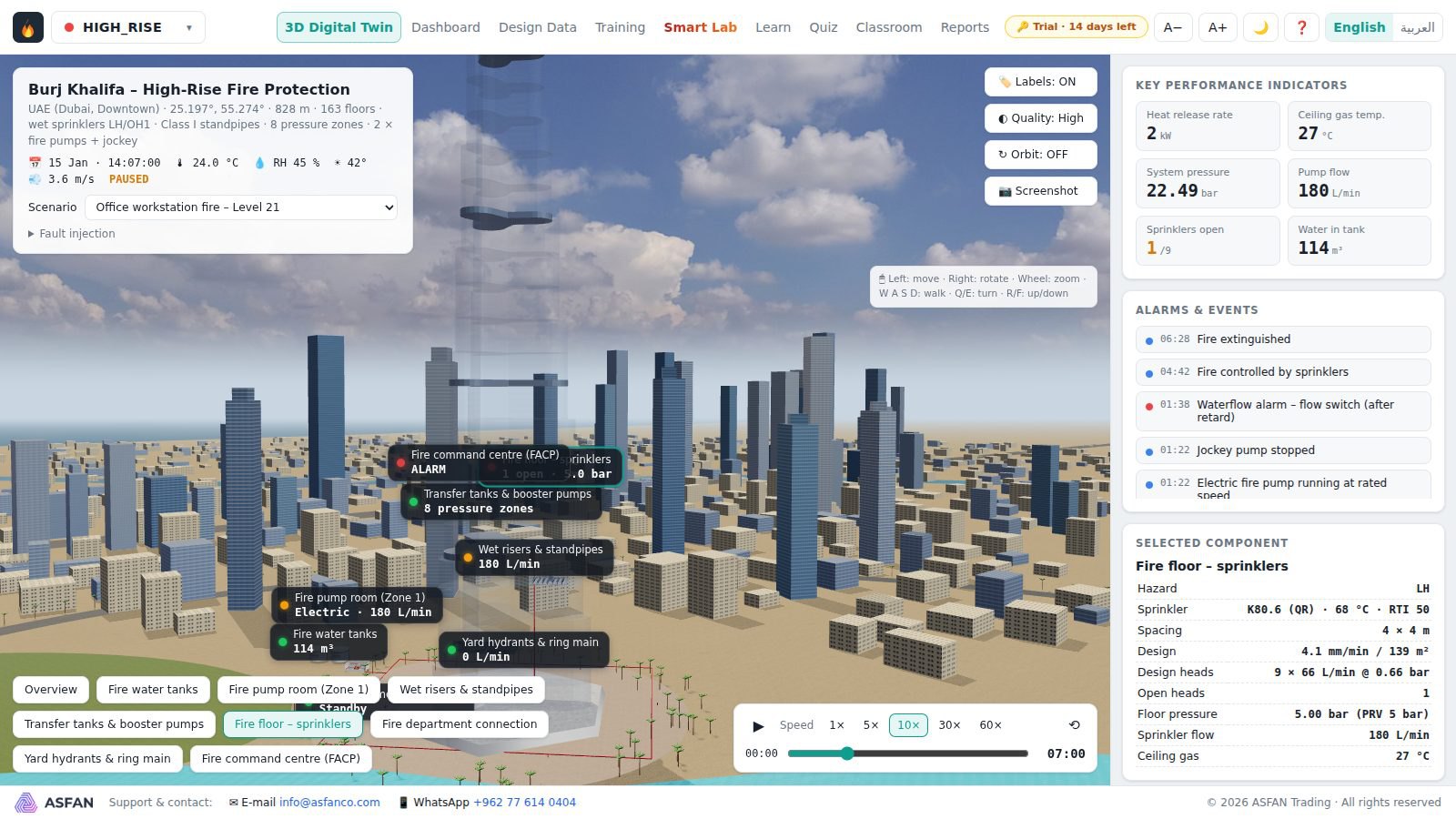
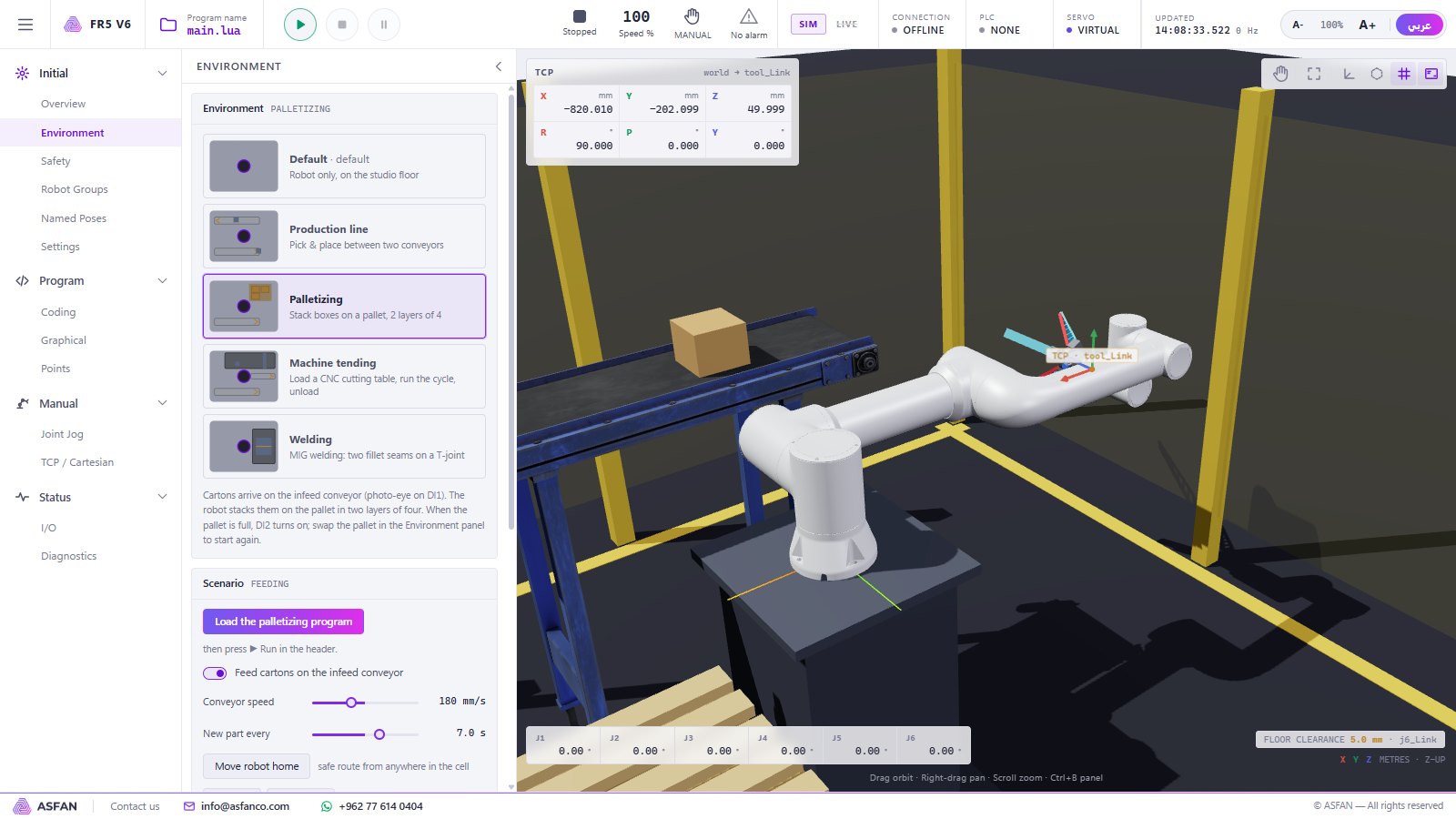
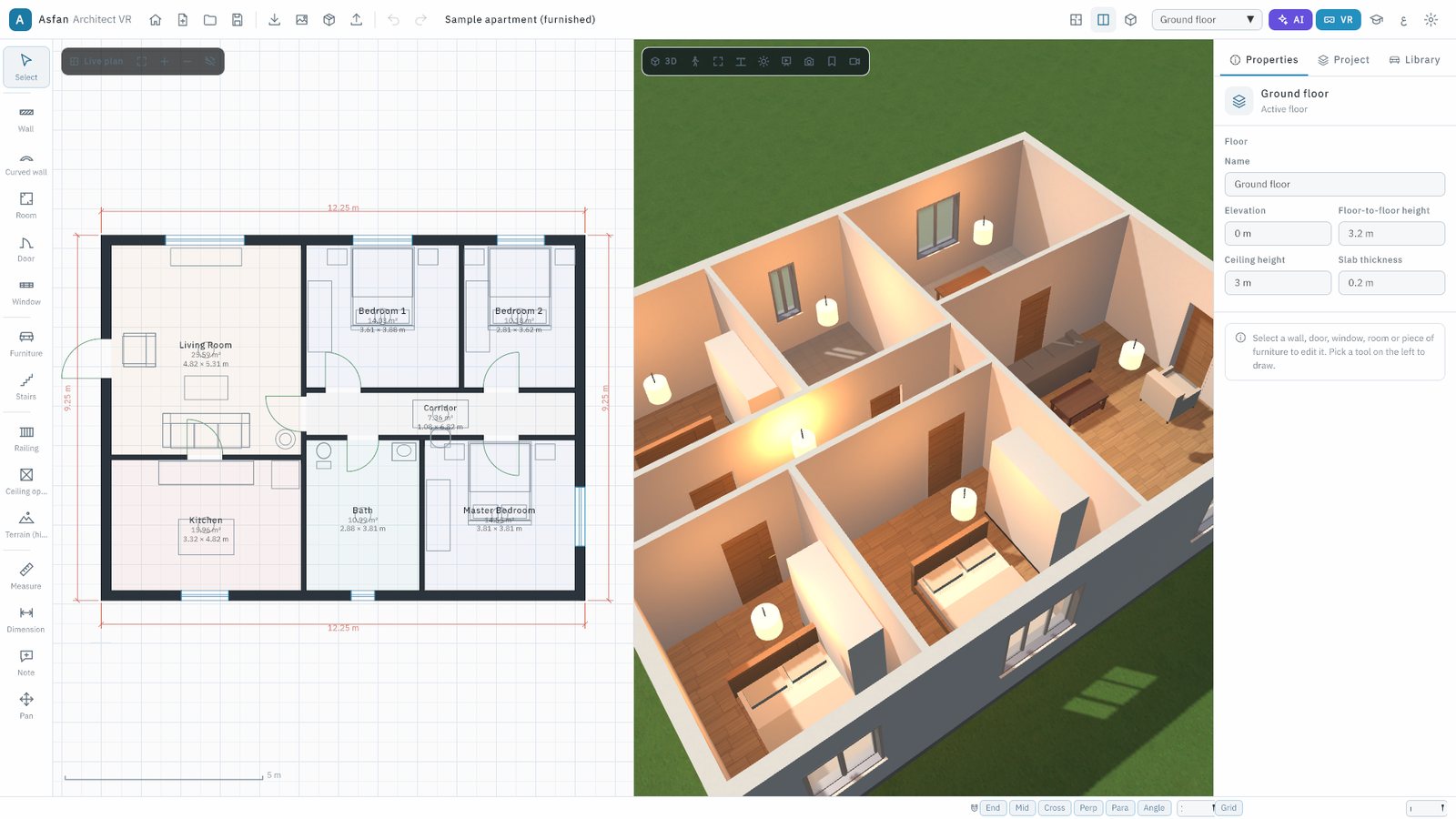
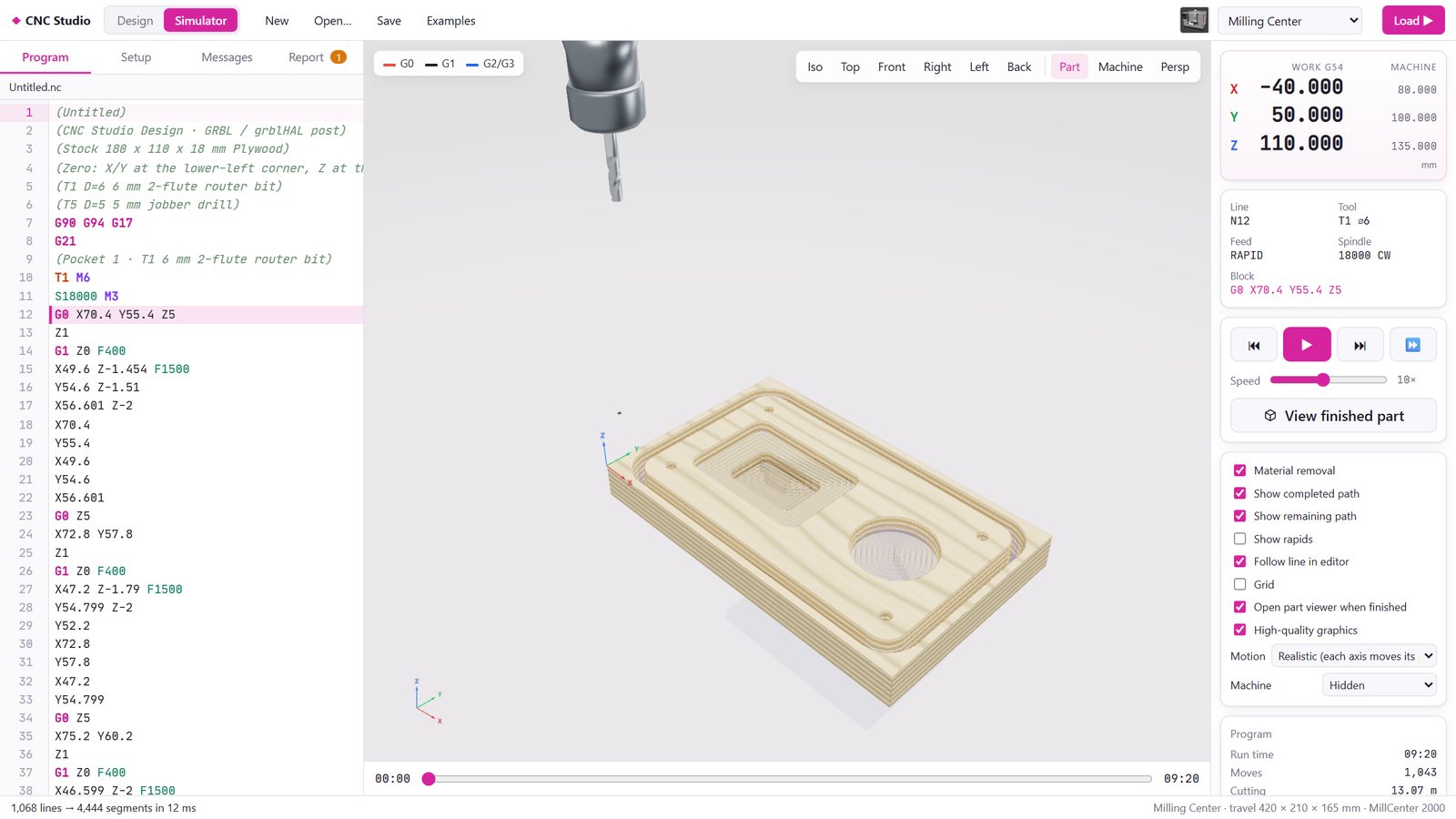
Virtual reality has moved well beyond gaming. The most common uses of virtual reality today include:
Benefits of virtual reality
Across every use case, the benefits of virtual reality tend to repeat the same core advantages:
- Safe practice - learners can rehearse dangerous or high-stakes scenarios with zero real-world risk
- Repeatability - a scenario can be repeated as many times as needed at no added cost
- Consistency - every learner or visitor experiences the same quality scenario
- Cost savings over time - fewer physical materials, equipment, or travel required per session
- Better retention - hands-on, immersive practice is generally remembered better than passive video or reading
- Access to the impossible - VR can simulate scenarios that would be too rare, expensive, or dangerous to reproduce physically
The future of virtual reality
The future of virtual reality is being shaped by a few clear trends heading into 2026 and beyond:
- Lighter, more comfortable mixed reality headsets with better pass-through cameras
- AI-generated VR content that speeds up scene and scenario creation
- Wider enterprise and institutional adoption beyond early-adopter industries
- Tighter integration between VR, AR, and everyday devices like phones and glasses
- Growing use of VR data (completion rates, decision paths) to measure training outcomes
To see where AI and VR are converging right now, read ASFAN's dedicated article on AI and Virtual Reality in 2026.
Why choose ASFAN to build your virtual reality project
1. Full spectrum coverage
ASFAN builds across VR, AR, and mixed reality / XR, so the right technology is chosen for the goal, not forced to fit one format.
2. Purpose-built content
Every VR project is designed around a specific training, education, or business objective rather than a generic demo.
3. Arabic and English delivery
Virtual reality content is available in both languages for institutions across Jordan, Saudi Arabia, and the wider Middle East.
4. End-to-end delivery
From concept to 3D content to hardware and support, ASFAN manages the full virtual reality project lifecycle.
Frequently Asked Questions
What is virtual reality?
Virtual reality (VR) is a computer-generated 3D environment, experienced through a headset, that fully replaces your view of the real world and responds to your movement in real time.
What is the difference between VR and AR?
VR fully replaces your surroundings with a digital environment, while AR overlays digital content on top of the real world that you can still see.
What is Extended Reality (XR)?
Extended Reality (XR) is the umbrella term covering virtual reality, augmented reality, and mixed reality, describing the full spectrum from the real world to fully virtual environments.
What are the main uses of virtual reality?
Virtual reality is used for training and simulation, education, medical and clinical practice, engineering visualization, real estate and exhibitions, entertainment, and enterprise design review.
What are the benefits of virtual reality?
Virtual reality provides safe and repeatable practice, faster skill acquisition, lower training costs over time, consistent learning outcomes, and the ability to simulate scenarios that are rare, dangerous, or expensive to reproduce in real life.
What does the future of virtual reality look like?
The future of virtual reality includes lighter mixed reality headsets, AI-generated VR content, wider enterprise and training adoption, and deeper integration between VR, AR, and everyday devices.
Conclusion
Understanding what virtual reality is - and how it differs from AR and fits inside the broader XR spectrum - is the first step before choosing a project, a device, or a partner. The uses and benefits of virtual reality now span training, education, healthcare, engineering, real estate, and far beyond, and the future of virtual reality points toward lighter hardware and smarter, AI-assisted content.
Continue exploring with VR Simulation Training, Augmented Reality, or Mixed Reality / XR Solutions.
Contact ASFAN today to discuss which VR, AR, or XR approach fits your project.
Talk to ASFAN about a virtual reality project or browse the full solutions catalog.
Client & Visitor Reviews
Share your experience, feedback, or opinion about this page content.
Write a Review
Latest Reviews