
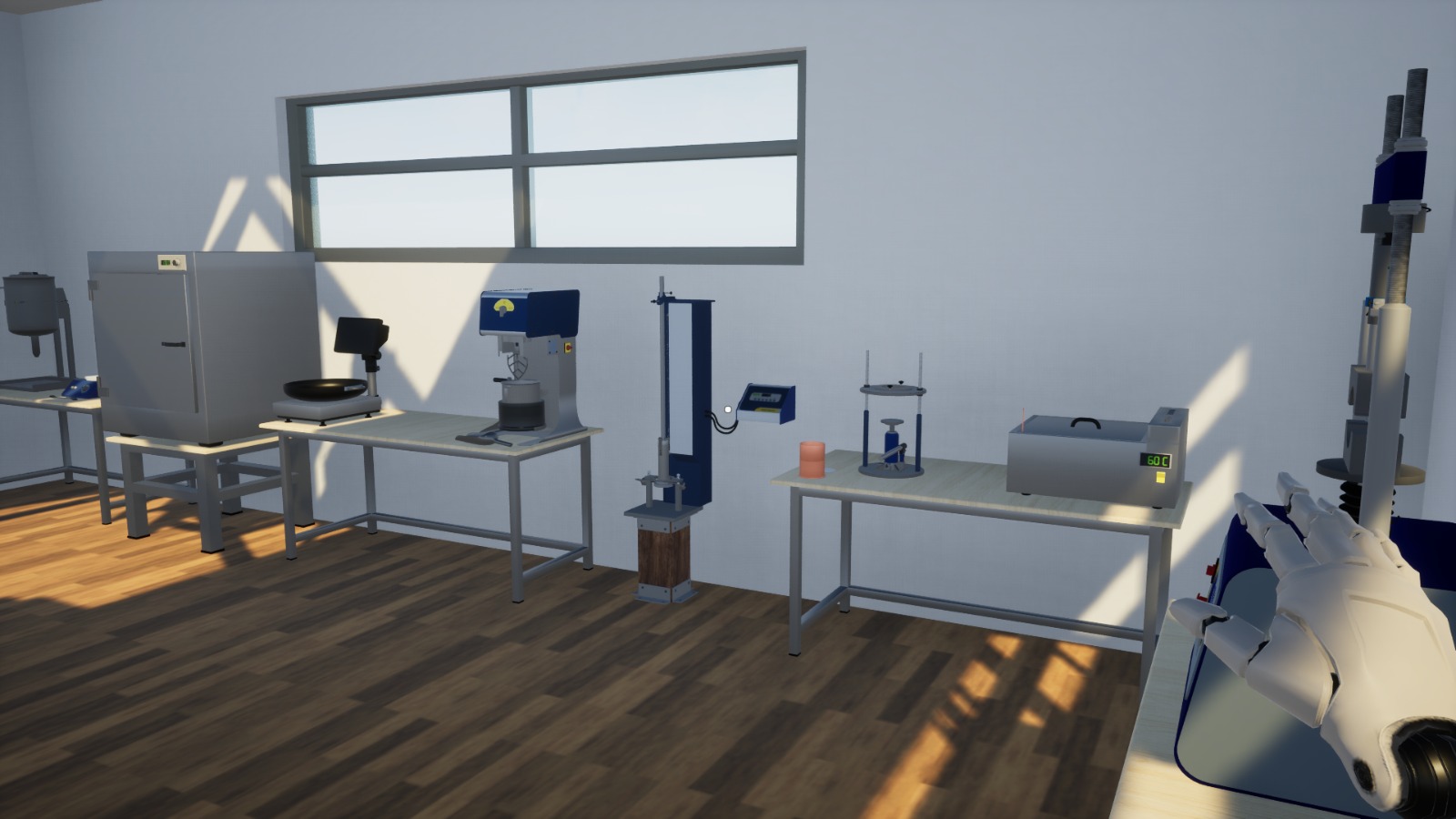
Intro
In the Gulf, megaprojects move fast - and mistakes cost millions. Virtual Reality (VR) gives stakeholders a low-risk, high-impact way to visualize structures before a single brick is laid. At Asfan, we turn BIM models into immersive experiences that speed approvals, minimize rework, and make safety training real - not theoretical.
Why Gulf developers adopt VR
- Faster stakeholder sign-off:
clients and regulators can walk the project in VR and approve designs sooner.
- Reduced rework & cost savings:
clash detection and design validation in immersive space lower on-site changes.
- Safety-first training:
VR simulations prepare crews for hazardous tasks (working at heights, confined spaces) without risk.
- Better collaboration across distributed teams:
architects, consultants and contractors can meet inside the same virtual model.
Marketing pitch
Asfan's VR for civil engineering converts BIM and 3D assets into interactive, branded VR experiences you control: guided walkthroughs for investors, training scenarios for site crews, and inspection-mode views for engineers. The result? Faster approvals, safer sites, and measurable cost reductions - crucial for GCC projects where schedules and compliance are strict. Market studies also show rapid AR/VR adoption across GCC industries, with the UAE leading in opportunities.
Short case-scenario
Imagine a highway interchange in Riyadh: with Asfan VR, the design team hosts a stakeholder walkthrough, identifies a drainage conflict, and resolves it in the model - avoiding a costly site modification. Meanwhile, operators train in a replicated VR environment to rehearse lane closures and emergency procedures before construction begins.
Call To Action
Ready to reduce rework and approve designs faster? Explore our civil-engineering VR projects and request a
demo.
Links:
Client & Visitor Reviews
Share your experience, feedback, or opinion about this page content.
Write a Review
Latest Reviews